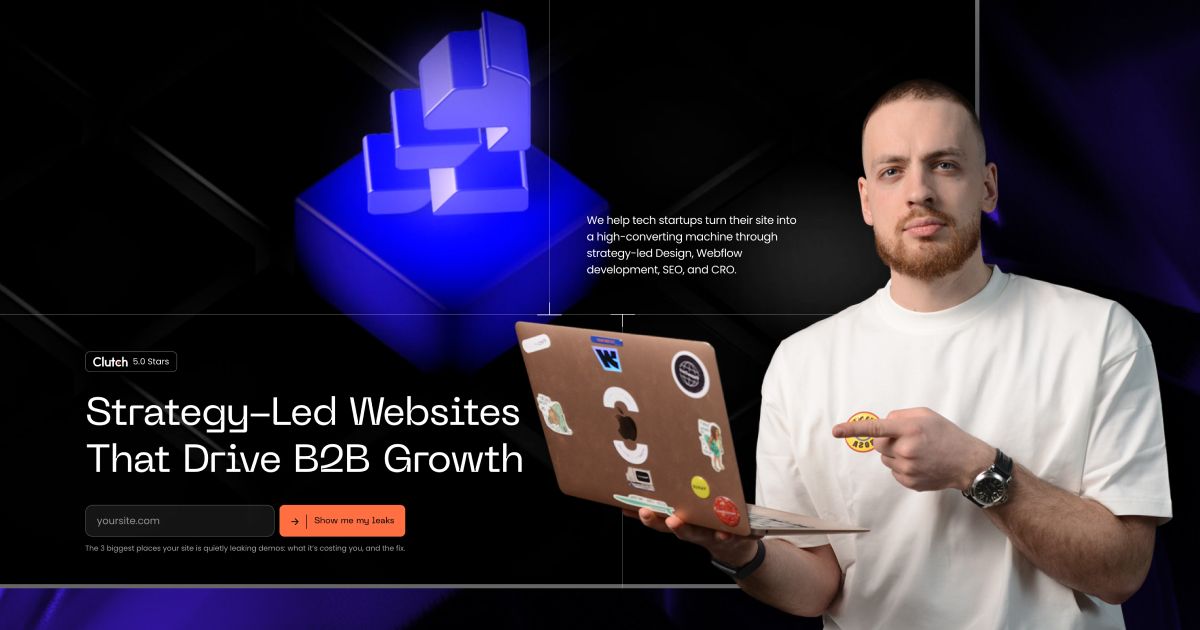
Stop Letting Webflow Decide What You Can Build.
Move to Next.js and a headless CMS when your site has outgrown the builder. We rebuild the site, keep your content team in control, and account for every indexed URL before launch.
Teams we have built and migrated for:



Khod feels like an extension of our team; fast, proactive, and always delivering beyond expectations.

Batıkan Erdoğan
Head of Growth & Conversion Systems @Chili Piper


They rebuilt our site through multiple iterations and are now helping us scale 60+ SEO landing pages.

Ethan Clouser
Head of Marketing @Bland AI


They helped us launch an enterprise-ready site despite tight deadlines.

Anna Maikova
Head of Product Marketing & GTM @Synthflow AI




Their quick execution keeps our campaigns on schedule and our pipeline moving.

Madeleine Work
Head of Marketing @PortPro


Within six weeks of launch, traffic and conversions more than 2×-ed.

Brandon Redlinger
CMO @Avarra AI


They clarified our AI product for non-technical buyers — and within weeks, we were generating daily organic leads and demos.

Kyle Fedewa
Co-Founder @Speculo AI


They migrated our redesigned Webflow site without losing SEO momentum and boosted technical health to 95%.

Ariel Eiberman
CMO @Cryptoworth
Why would I move off Webflow?

Limited Agentic Workflows
Custom code used to mean more developer hours. With coding agents handling much of the repetitive build work, teams can get more freedom without taking on the same time and cost as before.

Locked Inside the Box
More features start relying on embeds, scripts, and third-party tools. The workarounds you use become harder to maintain than the feature itself.

CMS Limits Start Getting in the Way
Webflow limits how deeply and how often CMS content can be nested. More complex content models quickly turn into extra collections, workarounds, or custom code.

Hitting Limits Can Mean Enterprise Pricing
Once you outgrow standard plan limits, the next step can be a major jump. In client quotes we’ve seen, Webflow Enterprise has started around $25k/year.

The Builder Starts Shaping Your Roadmap
New ideas increasingly start with “can Webflow do that?” Once the platform decides what gets built, the site becomes a constraint.

The Website Starts Acting Like Software
Personalization, gated areas, generated pages, product data, and deeper integrations push the site beyond what a visual builder handles comfortably.
What do I get from migrating to Next.js?
Benefits of Migrating to Next.js
Moving off Webflow makes sense when you need more control over what the site can do, how content is structured, and how quickly new ideas can ship.

Build What the Business Actually Needs
Pages, tools, personalization, product data, and integrations can be built around the requirement instead of around what the platform supports.

Choose the CMS That Fits Your Content
Pair Next.js with Sanity, Contentful, Payload, or another headless CMS built around the relationships and publishing workflows your team actually needs.

More Control Over Performance
Choose what renders statically, what revalidates, how images load, and what JavaScript reaches the browser instead of inheriting those decisions from the platform.

Ship Faster With Agentic Workflows
Coding agents can handle much of the repetitive build work, while architecture, design judgment, and QA stay human. That makes a custom stack far more practical than it used to be.

Own the Stack Instead of Working Around It
Components, redirects, integrations, and functionality live in a version-controlled codebase your team can extend as the business changes.
What happens to my Webflow setup in Next.js?
Every row is what a thing becomes, not which platform is better. Some of it is a straight upgrade. Some of it is work you are taking on.
| In Webflow | In Next.js |
|---|---|
| The Designer | Components in code. Visual editing comes back through the CMS, but the layout canvas does not. |
| CMS collections | A headless CMS with no practical item cap and real relationships between content types. Our own move to Sanity covers how we modelled it. |
| Interactions and animations | Rebuilt in code. There is no export path, so this is budgeted for rather than assumed. |
| Forms | A form handler you choose, or a route in your own app. |
| Hosting | Vercel or Cloudflare. Webflow runs on AWS CloudFront, Fastly and Cloudflare, so this is the same tier of infrastructure on a separate bill. We compare the two stacks in Webflow vs Next.js. |
| SSL and CDN | Included by the host, as before. |
| Redirects | Config in the codebase: version-controlled, reviewable, and testable before launch instead of after. |
| Site search | Native, over your own content, instead of a third-party embed. |
| Memberships | Auth you choose, with no platform limit on what a member can be shown. |
| Ecommerce | Stripe, headless Shopify, or your product’s own checkout. |
| Third-party scripts | Components, loaded where they are needed instead of on every page. |
| Security patching | Yours, or your agency’s. This is the real ongoing cost of the move, and it is not hosting. |
How the migration runs
Our migrations take six stages from audit through post-launch monitoring. The exact build changes by site, but the migration discipline remains the same.

Audit
We start by mapping the site as it exists today: every indexed URL, CMS collection, form, interaction, integration, and anything custom. That gives us the real scope before we start rebuilding.

Design (optional)
You don’t need to redesign just because you’re leaving Webflow. If the current site still works visually, we can rebuild it as-is. If you want to use the migration as a chance to improve it, our B2B web design team can take that on before development starts.

Build
We rebuild the site in Next.js, connect the CMS, recreate the interactions that matter, and move the content and assets across. Agentic workflows handle a lot of the repetitive work; the architecture, design decisions, and QA stay human.

SEO and redirect QA
Every old URL gets accounted for before launch. We test redirects, compare metadata, headings, canonicals, and schema against the live site, and fix anything that does not match before the switch happens. Our guide to Webflow 301 redirects covers how we build the map.

Launch
Once everything checks out, we handle the cutover and watch the new site closely as traffic starts hitting it. The goal is for the switch itself to be uneventful.

Monitor
Then we keep watching rankings, crawl errors, and Core Web Vitals for 90 days. Some migration problems only become visible after Google has recrawled the site, so launch is not where our involvement stops.
Project Highlights
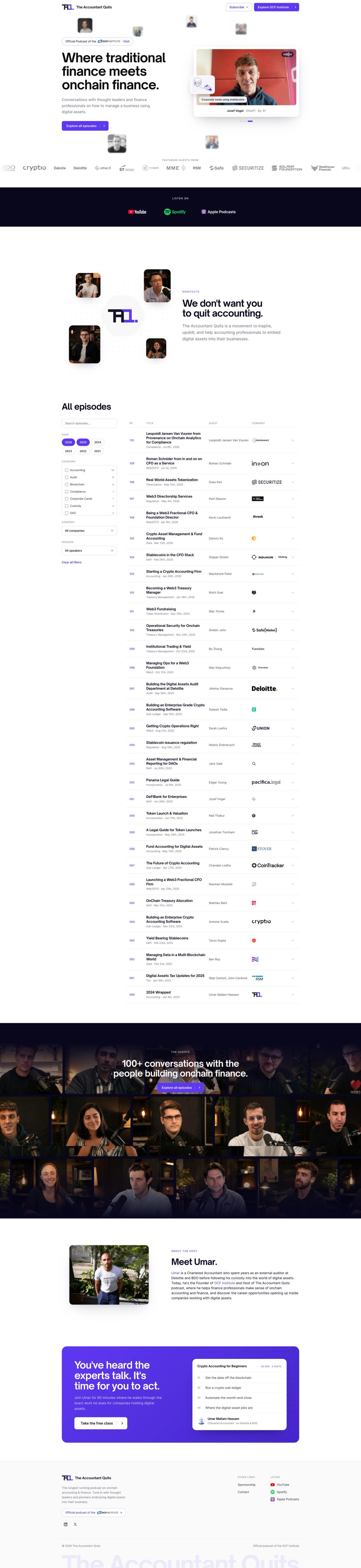

The Accountant Quits: A Brand Going Back to Its Roots
Khod moved The Accountant Quits' 110-episode site off Webflow onto a custom Astro/Sanity stack in about a week, after its education arm split off into its own brand. The client can still edit everything themselves — just not in Webflow anymore.

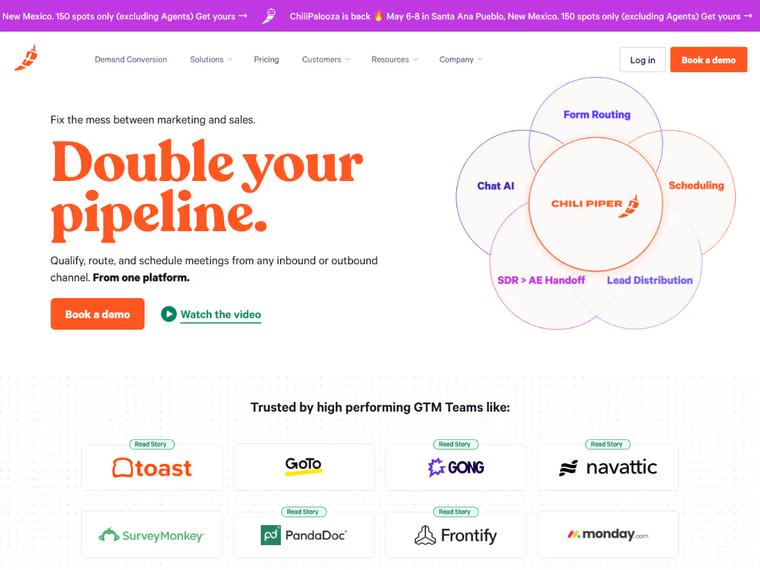
Chili Piper: Repositioning & Solving a $65K/Year Webflow Enterprise Problem
Switching Webflow partners unlocked a solution Chili Piper didn’t know existed—avoiding a forced Enterprise upgrade and saving $65K+ per year in hosting costs.

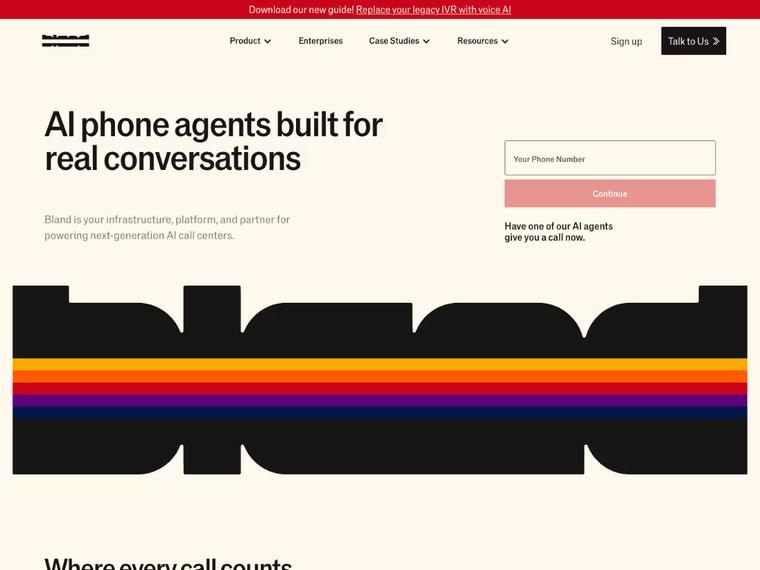
Bland AI: A High-Speed Revamp That Drove 35% More Traffic Post-Series B
Delivered in record time ahead of their Series B announcement. Since launch, Bland AI saw a 35% increase in organic traffic from their ideal customer profiles — plus stronger on-site conversions.

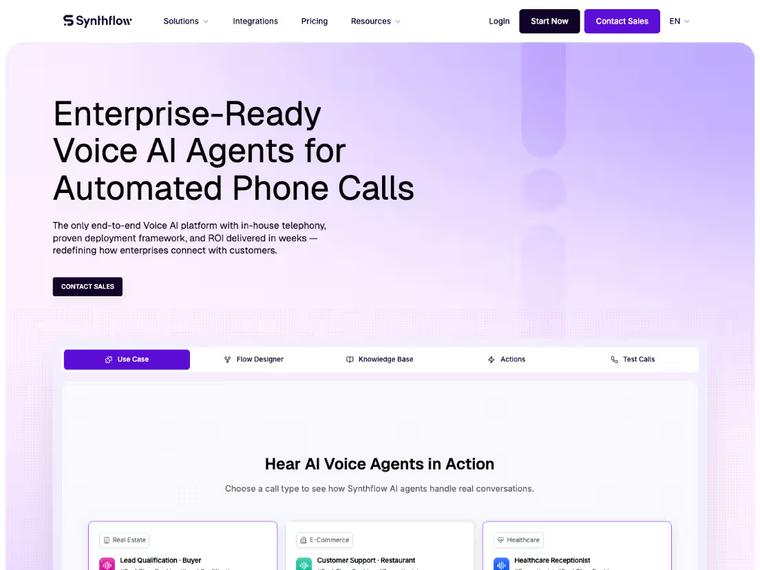
Synthflow AI: Turning $20M Raise Into a Scalable Web Presence
Launched with a speedy delivery just ahead of Synthflow’s Series A announcement. The new homepage now anchors their go-to-market efforts with a product-led, conversion-focused experience.


Speculo AI: From Legacy Website to High-Converting AI Demo Engine
A full website overhaul that tripled demo engagement and gave Speculo.ai the credibility, clarity, and conversion power needed to lead in the real estate AI space.

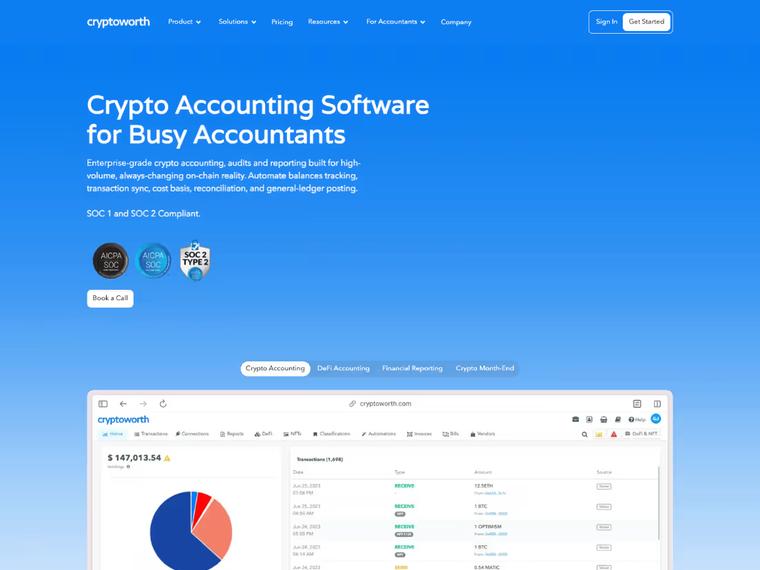
When AI answers replaced the results page, Cryptoworth became the brand AI cites
A flawless Webflow migration that preserved traffic, eliminated 440+ SEO errors, and boosted Cryptoworth’s site health to 95%.
What Our Clients Say

"Khod helped us grow website traffic by 500% and unlock new revenue streams through our online academies. It now drives revenue month over month."

Umar Mallam Hassam
CEO @The Accountant Quits

"Khod feels like an extension of our internal team. They always meet their deadlines and set expectations we can actually trust. Highly recommend!"

Batıkan Erdoğan
Head of Growth & Conversion Systems @Chili Piper

"They delivered the site at record speed. Since the revamp, we’ve seen a 35% increase in organic traffic from ICPs and stronger conversions across the board."

Dimitrije Gujanicic
Growth Coordinator @Bland AI

"They went above and beyond to get our site enterprise-ready . Flexible, fast, and incredibly responsive, even with last-minute changes. They kept multiple stakeholders aligned and never missed a deadline."

Anna Maikova
Head of Product Marketing & GTM @Synthflow AI

"Only a couple weeks after launch we have consistently received multiple leads and demos scheduled every day . All of this has been organic up to this point which is awesome."

Kyle Fedewa
Co-Founder @Speculo AI

"We needed to migrate our redesigned Webflow site without losing SEO gains —and Khod nailed it. From boosting our technical health to 95% to content strategy, they’ve been phenomenal."

Ariel Eiberman
CMO @Cryptoworth
Pricing and timeline
The size of the site matters, but complexity matters more. CMS structure, interactions, custom functionality, integrations, and whether we are redesigning along the way all affect the scope. We work it out the same way we scope any build, through our GROW framework, so the number is based on what the site has to do rather than a guess at its page count.
Timeline
Most Webflow to Next.js migrations take 4–6 weeks.
Timeline depends on:
- Number of pages and CMS items
- Complexity of the content model
- Custom interactions and animations
- Forms, integrations, memberships, or ecommerce
- Whether we are keeping the current design or redesigning it
- How much cleanup is needed before content moves
A straightforward marketing site can move faster. Sites with more complex functionality or a new content model usually take longer.
Investment
Most Webflow to Next.js migrations land in the four figures to low five figures.
Exact cost depends on the size of the site, CMS complexity, custom functionality, interactions, integrations, and whether design work is included.
Post-launch support
The stack becomes yours at launch, and the upkeep can stay with us.
- Monthly retainer
- Reserved team capacity
- Ongoing design and development support
- Direct access through Slack
- Scope and hours agreed upfront
Actionable Playbooks for Migrating off Webflow

Frequently Asked Questions
Can you migrate Webflow directly to Next.js?
Not really. Webflow’s code export gives you static HTML and CSS, but it does not carry over the CMS, components, or interactions in a way that gives you a working Next.js site. A proper migration is a rebuild, with the existing site used as the source of truth. We cover the trade-offs in Webflow vs custom code.
Will moving from Webflow to Next.js hurt SEO?
It can if the migration is handled badly. We inventory every indexed URL, map and test redirects before launch, and carry over metadata, headings, canonicals, and schema deliberately. We follow Google’s site move guidance throughout, then monitor rankings and crawl errors for 90 days after launch.
Do we need to redesign the site at the same time?
No. If the current design still works, we can rebuild it as-is. If you want to use the migration as a chance to improve the design, structure, or messaging, we can do that too.
What happens to Webflow interactions and animations?
They need to be rebuilt. There is no clean export path from Webflow interactions into Next.js, so we recreate the ones that matter in code and use the migration as a chance to drop anything that is no longer useful.
Which CMS should replace Webflow CMS?
That depends on how your team publishes and how complex the content model is. We often use Sanity, but Contentful, Payload, and other headless CMS platforms can make sense too. The important part is choosing the CMS around your content instead of forcing your content into the platform.
Can our marketing team still edit the site after the migration?
Yes. Content updates should still happen through the CMS, not through developer tickets. Blog posts, case studies, landing-page content, and other structured content can all stay editable by the marketing team. Truly new page types or functionality will still need development.
How long does a Webflow to Next.js migration take?
Most marketing sites take around four to six weeks. Larger content models, memberships, ecommerce, complex interactions, or a redesign can push that out.
What happens to hosting?
Next.js is usually deployed to Vercel or Cloudflare rather than hosted inside Webflow, and it can also be self-hosted if your team prefers. Hosting itself is not the difficult part; the bigger change is that the frontend, CMS, and hosting become separate parts of the stack instead of one platform handling everything. Vercel's Next.js documentation covers the default deployment path.
When should we stay on Webflow instead?
If Webflow is not actually blocking what you want to build, the site only changes occasionally, and the current setup is easy to maintain, moving may not be worth it. We are Webflow Certified Partners and still build on Webflow, so if staying there is the better decision, we would rather tell you that before starting a migration.
It’s time to leave Webflow’s limitations behind.
We’ll audit your current site, map what needs to move, and give you a clear plan for rebuilding it in Next.js without losing the content, SEO, or functionality that already works.