

Chili Piper: Repositioning & Solving a $65K/Year Webflow Enterprise Problem

""Thanks to Khod, I can finally sleep soundly at night—no more nightmares about broken web pages! Jokes aside, their work has been incredible. They’re fast, proactive, and go beyond just implementing what’s given; they provide valuable feedback on designs and share ideas that genuinely improve our website. Finding an agency that thinks critically and contributes creatively is rare, and that’s exactly what sets them apart. They don’t just feel like an agency; they feel like an extension of our internal team. Plus, they always meet their deadlines and set expectations we can actually trust. Highly recommend!""
Batıkan Erdoğan
Head of Growth & Conversion Systems @Chili Piper

Introduction: Solving the Immediate Problem & Supporting the Bigger Shift
When Chili Piper first approached us, the problem was operational. They came to us in need of high quality Webflow development service to streamline their website and maintenance processes.
Their Webflow setup was at risk of exceeding bandwidth limits. High-traffic pages were pushing those limits, assets were unoptimized.
At the same time, their product and go-to-market motion were about to change. The website needed to stabilize before Chili Piper's repositioning efforts started.
We stepped in to stabilize the system, reduce costs, and improve their development setup.
This led to a second phase: repositioning the product upmarket.
The Challenge: Performance, Cost, and Continuous Development
- The site relied on heavy, unoptimized assets. With traffic concentrated on key pages, this created a real risk of exceeding Webflow’s bandwidth limits; forcing a jump from roughly $2.3k/year to enterprise hosting starting at $65k/year.
- Chili Piper needed custom animated forms, tight HubSpot integrations, and the ability to continuously ship new pages without breaking what already existed.
- The website had to keep up with the GTM team looking to reposition the brand.
Our Approach: Build a Scalable System
On the performance side, we audited high-traffic pages and identified where bandwidth was being wasted. Large assets were migrated to Flowdrive, which reduced load on Webflow’s hosting.
On the development side, we adjusted the style guide and started working on the previously missing component system. HubSpot integrations were implemented at the CMS level, and custom animated forms were built to fit in with the client's conversion flow.
The Outcome: Cost Savings and a Stable Foundation
Chili Piper avoided a Webflow Enterprise upgrade, saving about $65,000/year worth of hosting expenses. Bandwidth was no longer a constraint and the website stopped being the bottleneck.
Phase Two: Supporting an Upmarket Repositioning
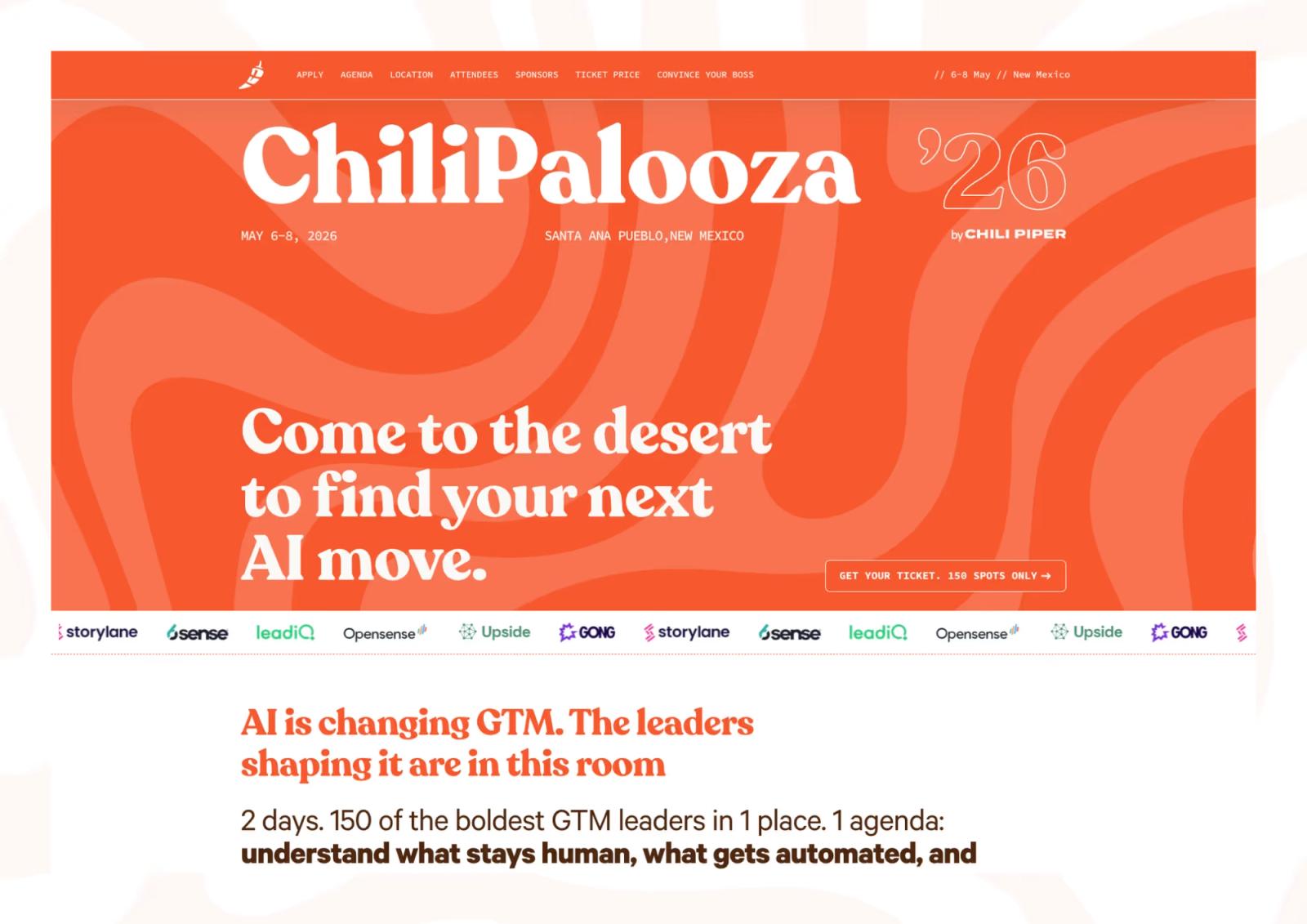
With the foundation in place, Chili Piper began repositioning upmarket — from a scheduling and routing tool to an AI-led website conversion platform.
Our role shifted from stabilization to execution.
The design direction was evolving quickly. New ideas needed to be translated into working pages without slowing down the rollout. We worked directly with the design team inside Webflow, iterating on structure, messaging, and component behavior in real time.
To maintain speed, we used Claude AI across both ideation and implementation. It supported layout decisions, content structuring, and development logic, reducing back-and-forth and allowing us to move faster without adding overhead.
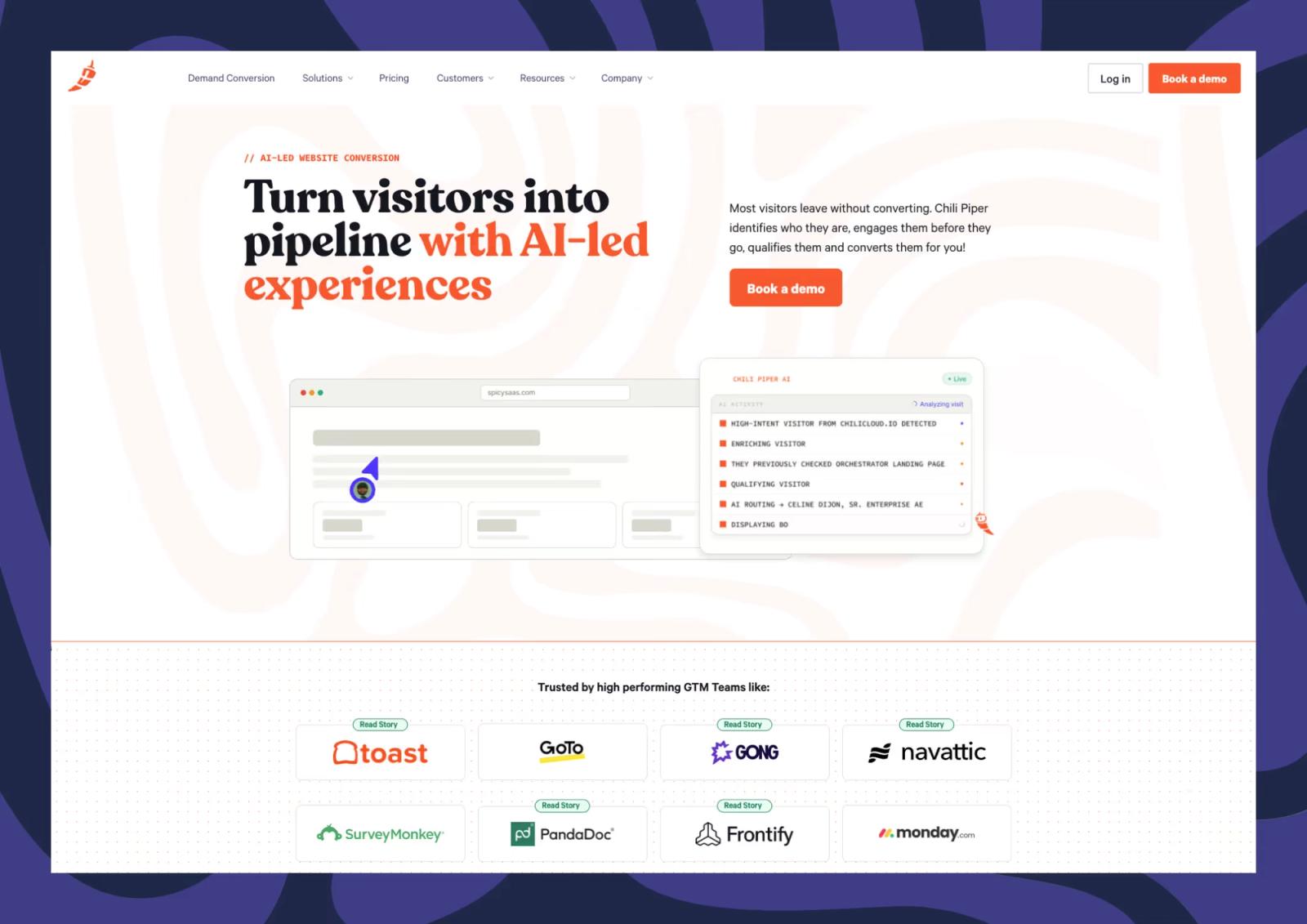
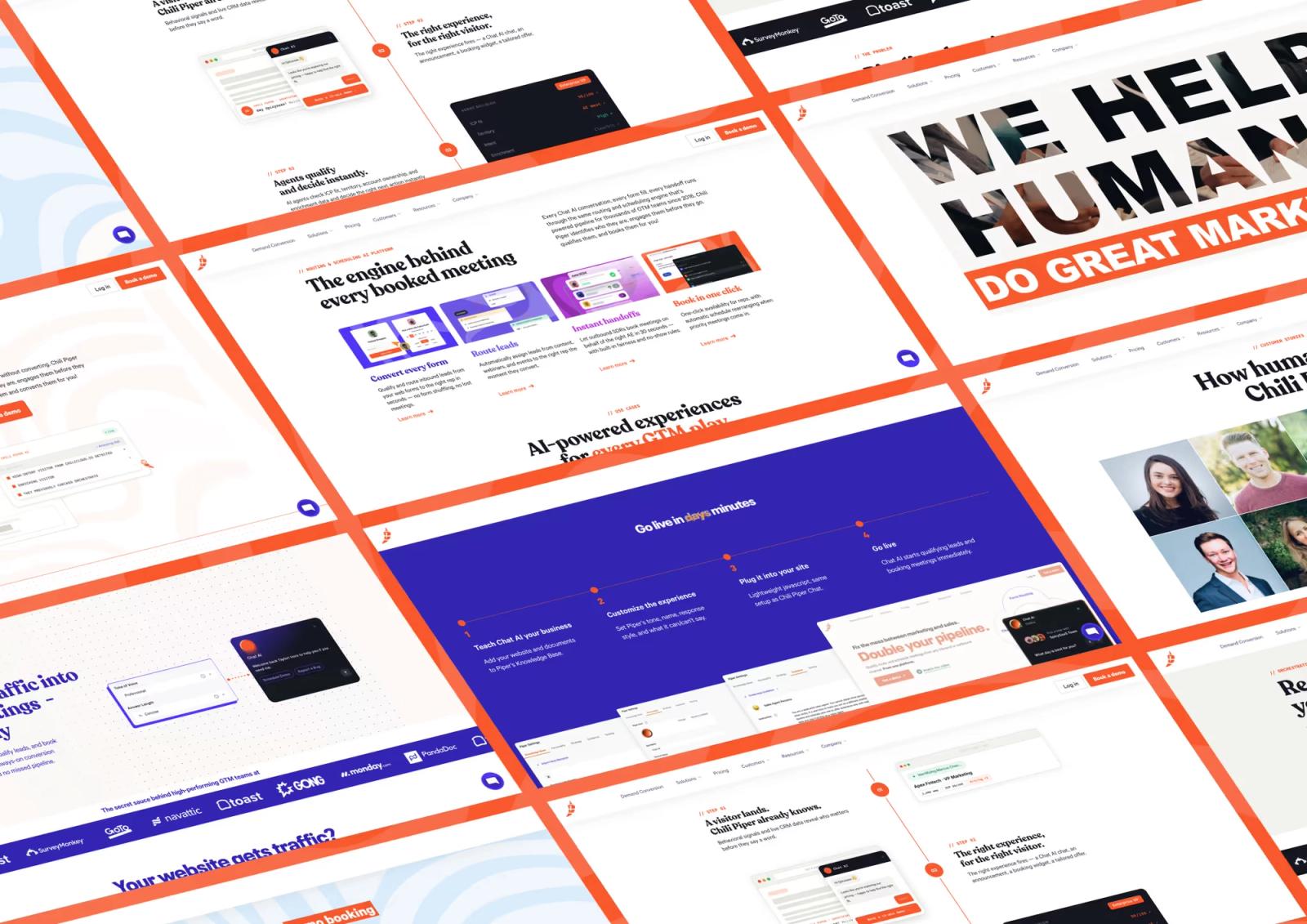
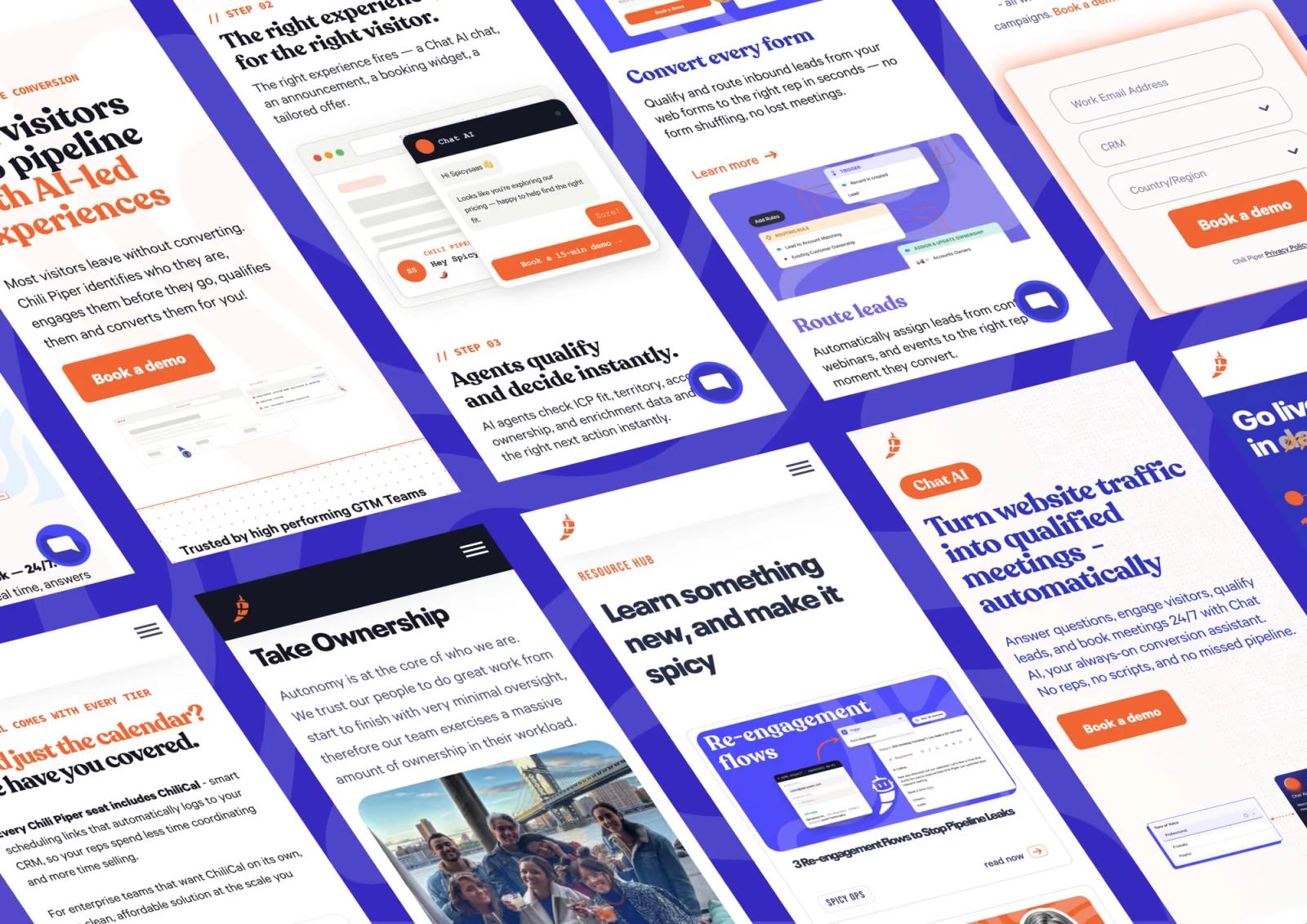
Within one week, we shipped seven core pages — including the homepage, pricing, and key product pages — while keeping the existing system stable.
Translating Design Into Live Pages
The focus was execution under iteration.
Designs were changing while development was in progress. We worked through multiple revisions with the design team, adjusting how sections behaved in production, including dynamic content, interactive elements, and conversion-focused components.
New pages were built on top of the existing system. Components were reused where possible, and new ones were structured to support future updates without rework.
Re-engagement flows, AI-driven interactions, and new product surfaces were implemented without breaking existing functionality or introducing performance issues.
Claude AI supported rapid iteration throughout — helping us test approaches, refine implementation, and move from idea to live page faster than a traditional workflow.
Product Narrative on the Site
The updated pages reflect how the product operates.
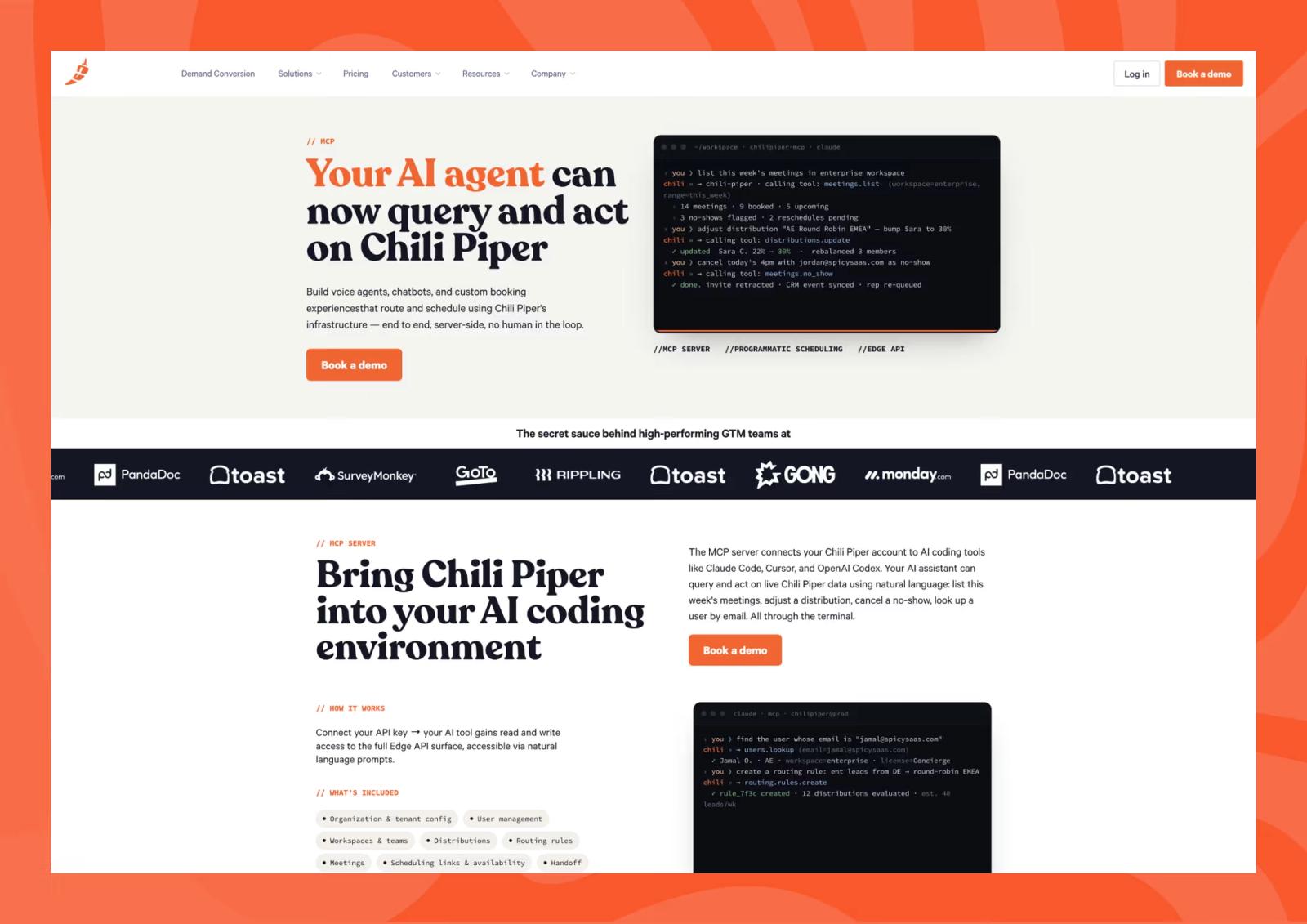
Visitors are identified before interaction. Based on intent and context, the site triggers the next step — booking a meeting, routing a lead, or initiating follow-up.
Product pages introduce different engagement points — chat, announcements, offers, and scheduling — each tied to specific moments in the user journey.
Re-engagement is handled through Orchestrator. Missed meetings, abandoned forms, and drop-offs trigger follow-ups based on context such as ICP fit, ownership, and intent.
Additional layers, including Email Composer, Chili Assist, and MCP, extend this into automation and system-level interactions.
Aligning Pricing With the New Positioning
The pricing model reflects the same shift.
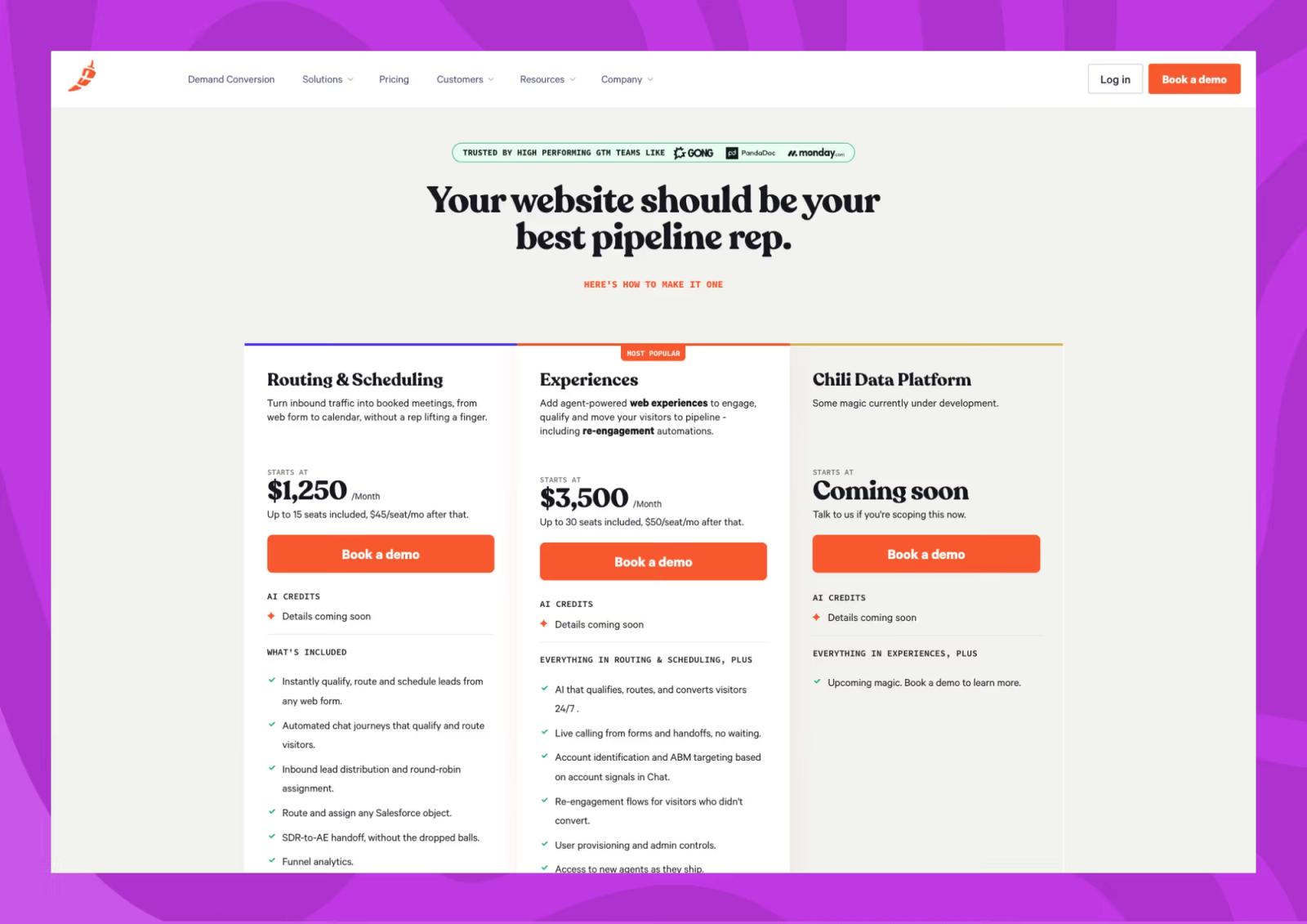
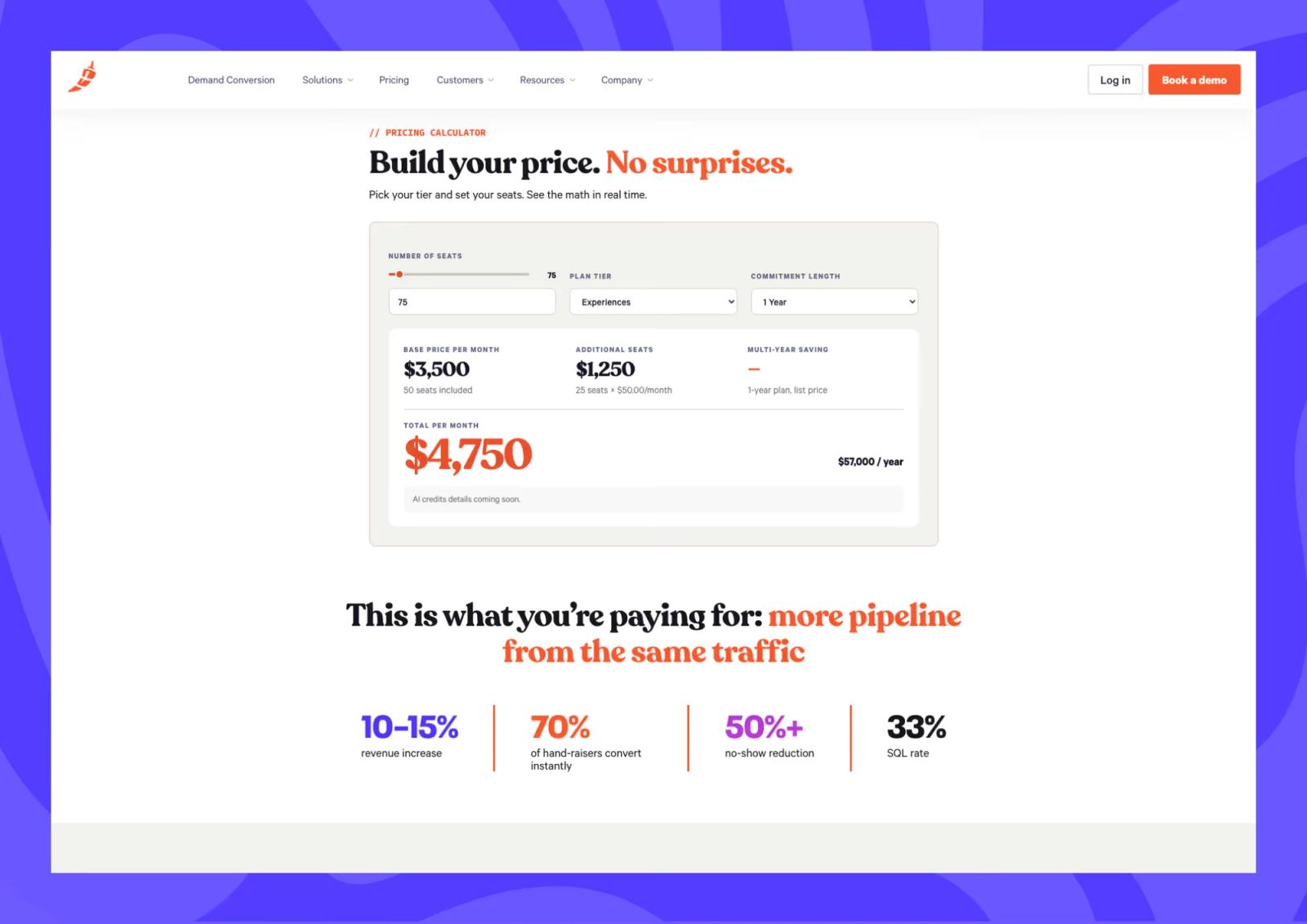
Instead of emphasizing features, it’s anchored around outcomes — specifically, pipeline generation.
Routing & Scheduling covers the core infrastructure. Experiences adds the AI layer that engages and converts visitors in real time. The upcoming data platform expands this further.
The message is consistent across the page: the value comes from turning existing traffic into pipeline.
What Stayed Constant
While the positioning evolved, the foundation we built continued to support everything on top.
Performance remained stable. Development velocity stayed high. The system continued to scale without introducing new constraints.
The original outcomes — cost savings, bandwidth reduction, and a reliable Webflow setup — didn’t change. They enabled the next phase.

About
Chili Piper is a demand conversion platform that helps revenue teams qualify, route, and book meetings with inbound leads instantly.
Industry
Revenue Operations
Company Size
201-500
Founded
2016
Location
New York, USA


Kickstart your project today!
Book a call to discuss your goals and how we can help you reach them.
Explore More Sales Automation Case Studies

100%
increase in user engagement
Let’s Build Your Growth Engine
Are you ready to turn your website into a high-performing marketing asset?
