
Conversion Rate Optimization Experts
Your Funnel Has the Traffic. We Fix the Conversion.
Most B2B sites convert on assumptions, not data. We run controlled experiments to find what’s actually costing you deals — and fix it.

Trusted by 20+ Revenue-First Startups

$60K+
Annual hosting savings

10+
MQLs/day within 6 weeks

"They delivered the site at record speed. Since the revamp, we’ve seen a 35% increase in organic traffic from ICPs and stronger conversions across the board."
Dimitrije Gujanicic
Growth Coordinator @Bland AI

"They went above and beyond to bring our website to enterprise readiness. Flexible, responsive, and professional — they kept us on track through tight deadlines while managing feedback from multiple stakeholders.”
Anna Maikova
Head of Product Marketing @Synthflow AI

300%
Demo engagement increase

60+
SEO pages developed
Featured customer story
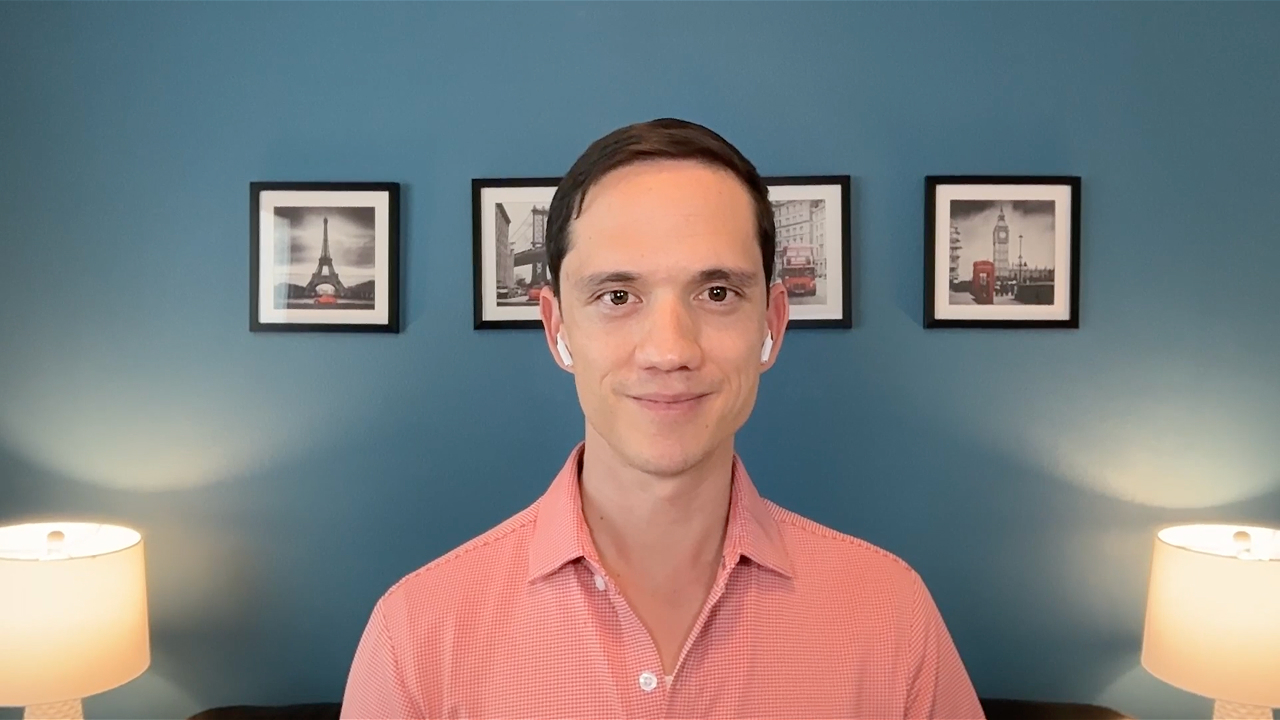

“After we got the look and feel updated on the website, our lead volume instantly shot up. It more than double. It shows how much the new website design landed with our enterprise customers.”
Brandon Redlinger
Fractional CMO @Avarra AI

Project Highlights

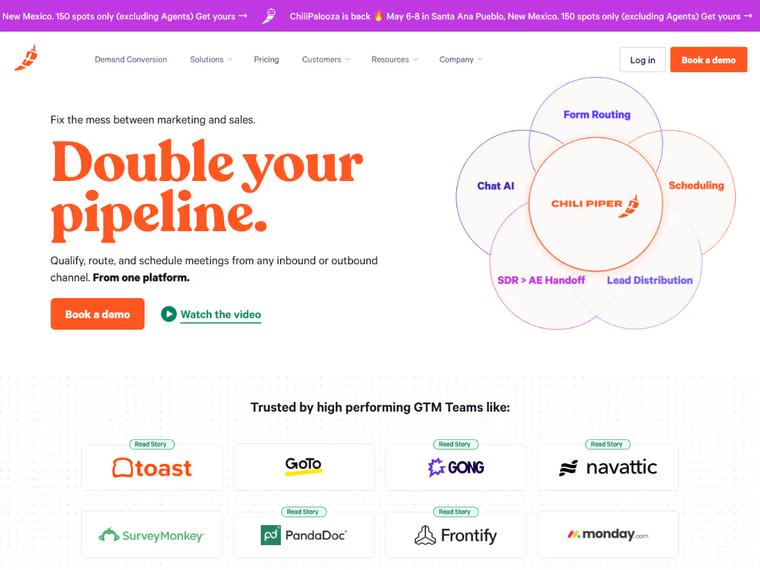
Chili Piper: Repositioning & Solving a $65K/Year Webflow Enterprise Problem
Switching Webflow partners unlocked a solution Chili Piper didn’t know existed—avoiding a forced Enterprise upgrade and saving $65K+ per year in hosting costs.

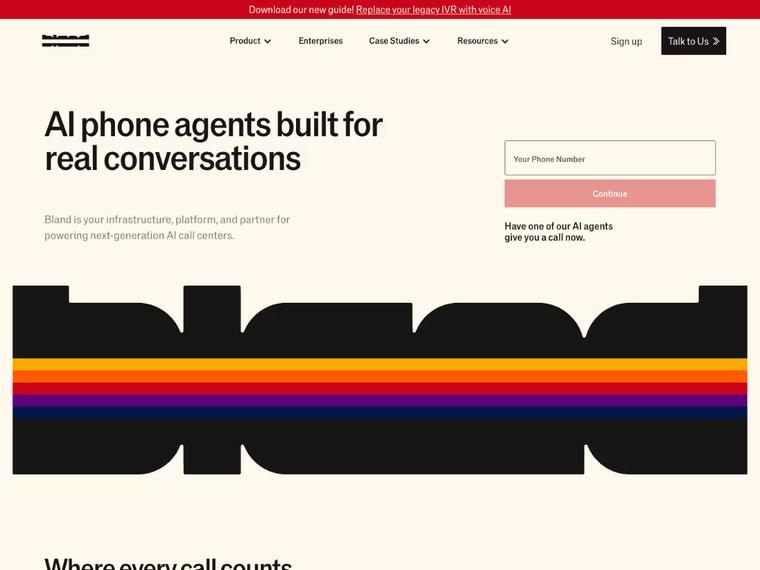
Bland AI: A High-Speed Revamp That Drove 35% More Traffic Post-Series B
Delivered in record time ahead of their Series B announcement. Since launch, Bland AI saw a 35% increase in organic traffic from their ideal customer profiles — plus stronger on-site conversions.

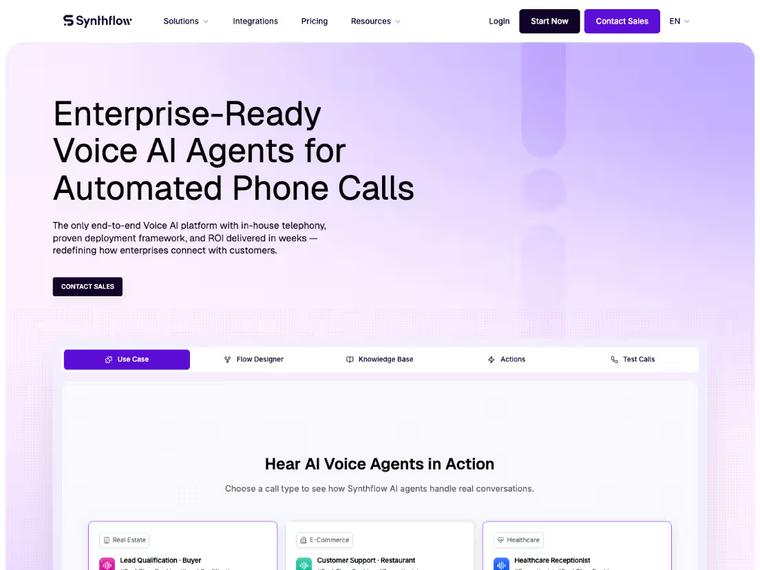
Synthflow AI: Turning $20M Raise Into a Scalable Web Presence
Launched with a speedy delivery just ahead of Synthflow’s Series A announcement. The new homepage now anchors their go-to-market efforts with a product-led, conversion-focused experience.
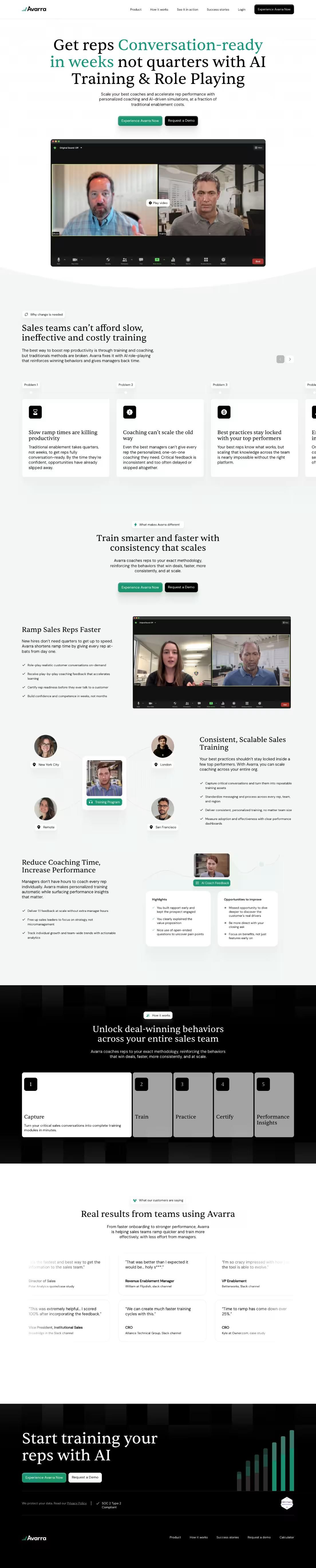
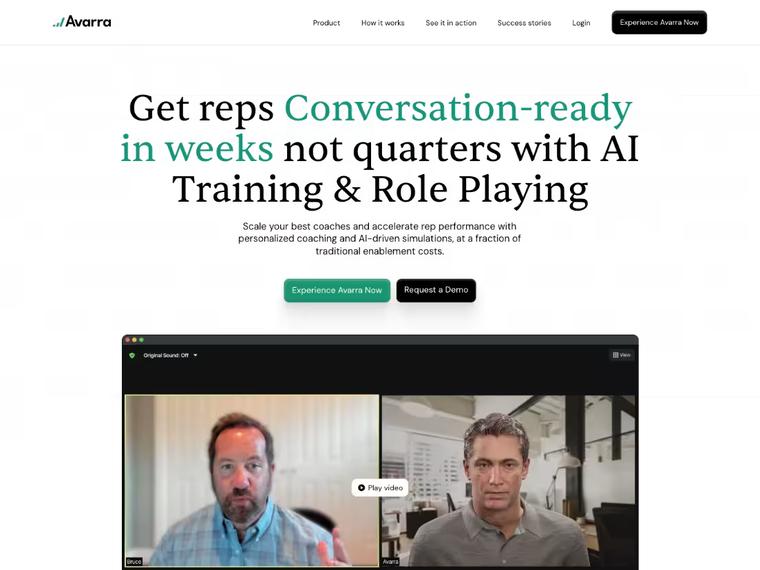
Avarra AI: Website Revamp That Drove 10 Qualified Leads per Day
A revamped website helped Avarra AI enhance positioning and gain an average of 10 qualified inbound leads per day, turning their website into a key asset for closing deals.
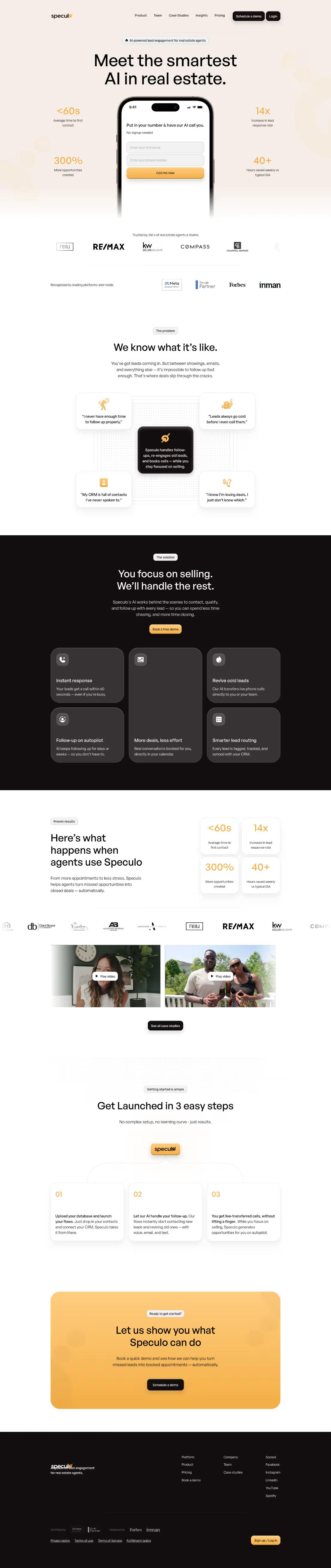

Speculo AI: From Legacy Website to High-Converting AI Demo Engine
A full website overhaul that tripled demo engagement and gave Speculo.ai the credibility, clarity, and conversion power needed to lead in the real estate AI space.

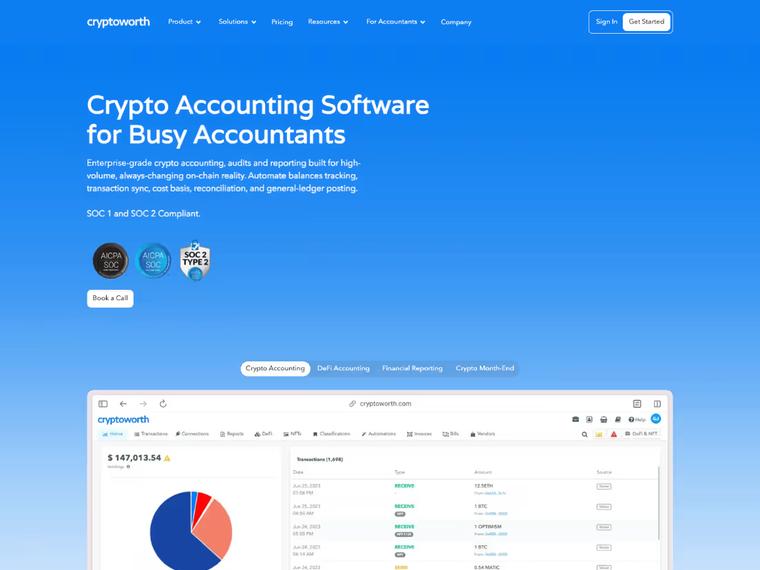
When AI answers replaced the results page, Cryptoworth became the brand AI cites
A flawless Webflow migration that preserved traffic, eliminated 440+ SEO errors, and boosted Cryptoworth’s site health to 95%.
6 Conversion Killers Hiding on Your Site Right Now

10,000 Visitors. Zero Conversions. Every. Single. Month.
The traffic is there. The conversions aren’t.
You’ve already invested in SEO, ads, and content - and the traffic looks great. But the number that pays salaries hasn’t moved. Sending more visitors into a leaking funnel doesn’t fix the leak. It just makes it more expensive.

You Spent $30K on a Redesign. Your Conversion Rate Didn’t Move.
Conversion problems are rarely visual.
They’re structural, messaging-based, or psychological. A new look doesn’t fix a broken argument - and no amount of good design rescues a page that doesn’t answer the buyers real question.
Your site looks better than ever. It converts exactly the same.

6 Weeks of Testing. Still No Winner.
Six weeks in. Still inconclusive. Again.
The problem isn’t testing. It’s how the tests were built. Underpowered sample sizes, missing hypotheses, no significance threshold set before launch. You’re generating data. Not decisions.
And every inconclusive test is a month your competitors used to actually improve.

Your Funnel is Leaking. You Just Can’t See Where.
Is it the landing page? The pricing page? The onboarding flow?
You don’t know - so you’re optimizing by instinct. And instinct is the most expensive way to run experiments. Every fix applied to the wrong pageis a month of testing burned on the wrong problem.

Plenty of Clicks. Wrong Buyers.
The site is getting clicks. Just not from the right buyers.
That’s not a traffic problem - it’s a conversion problem. If your pages attract volume but repel your ICP, adding more disqualification steps in sales won’t fix it. Building sharper targeting into the page itself will. You need to attract buyers, not browsers.

Your Best Prospects Leave. GA4 Won’t Tell You Why.
The exit rate is there in your browser. The explanation isn’t.
GA4 tells you where people leave. It won’t tell you what made them leave – was it the headline, the CTA, or something they never even saw? Without heatmaps, session recordings, and on-site research layered on top, you’re writing a prescription without examining the patient.
Our CRO Approach
Diagnose. Experiment. Convert. Repeat.
We find exactly where your funnel leaks revenue and run controlled experiments to fix it.

A/B & Multivariate Testing
We set significance thresholds before tests go live, not after. Hypotheses are documented before experiments start. No premature winners. No gut calls.
Winners are called when the data supports it; not when we’re impatient.


Funnel Audit & Revenue Leak Mapping
Before we change a single element, we map every drop-off in your funnel –ranked by how much revenue it’s costing you.

Landing Page Optimization
We don’t redesign. We diagnose what’s stopping your specific page from converting – and fix exactly that.
Every change has a hypothesis behind it and a metric in front of it.

Conversion Funnel Optimization
We don’t optimize individual pages in isolation.
We track micro-conversions across the full sequence and run experiments at each drop-off stage — from first visit to paid conversion.

Messaging & Positioning Optimization
If the wrong people are converting, the problem isn’t your traffic. It’s your message.
We test copy against your actual ICP, not a persona doc from 2023.

User Behavior Analysis
GA4 shows you the exit. We show you the reasons.
Heatmaps, session recordings, and user interviews layered on top of your quantitative data before we recommend anything.
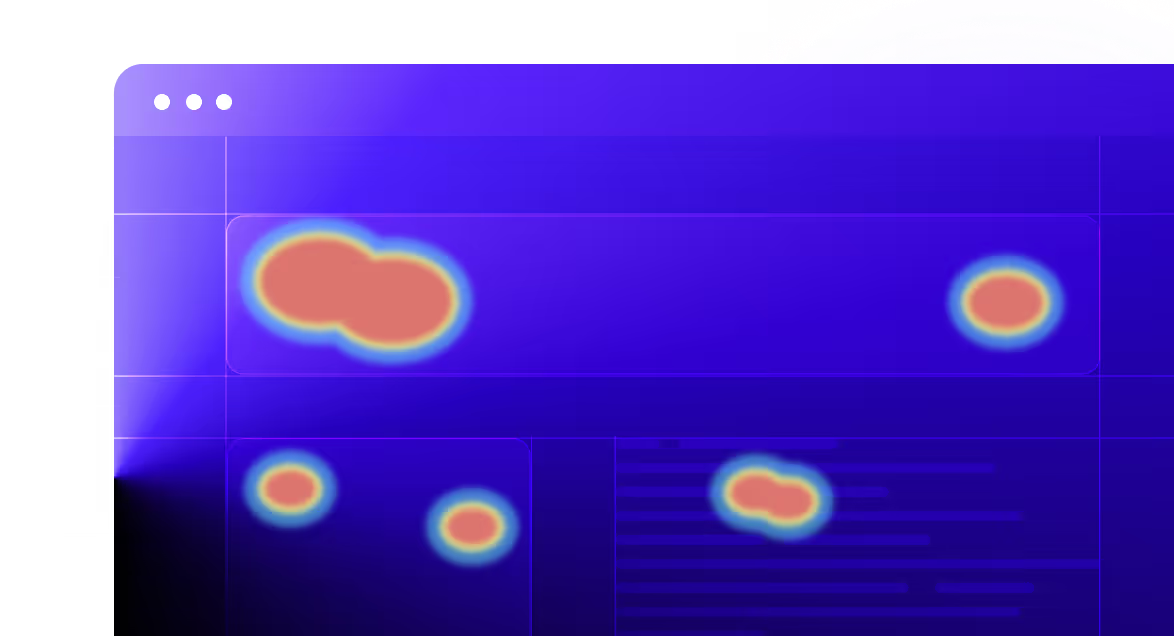
Before we run a single experiment, we spend a full week inside your funnel. The GROW method is how we make sure every test is built on evidence – not assumptions.


Gather
We collect behavioral data from GA4, heatmaps, session recordings, and user interviews. We map every drop-off in your funnel and quantify what each one is costing you. No hypotheses until we understand the behavior.
Research
We immerse ourselves in your product, your ICP, and your competitors’ funnels until we can pinpoint exactly why visitors aren’t converting. Unclear positioning can’t be A/B tested into clarity – it has to be diagnosed first.
Optimize
We build your 90-day experiment roadmap - hypotheses documented, significance thresholds set, tests prioritized by revenue impact. Every experiment has a reason for existing before it goes live.
Win
We run experiments, ship winners, autopsy losers, and feed every result into the next cycle. Each round gets faster and smarter. The gains compound.
From Diagnostics to Compounding Gains in 90 Days.
Five phases. Each one builds on the last. By month three, experiments are faster, the hypotheses sharper, and the gains compound.

Week 1-2: Full Funnel Diagnostic
We get access to your analytics, heatmaps, and session recordings. We conduct a full funnel audit, set up any missing tracking infrastructure, and identify the highest-impact conversion problems. By end of week two, you have a complete revenue leak map and a prioritized list of what to address first.

Week 3: Your 90-Day Experiment Roadmap
Based on the audit, we build your 60–90 day experiment roadmap. Every test is documented with its hypothesis, success metric, required sample size, and expected duration before we begin. You review and approve the roadmap before anything goes live.

First Experiments Live
The first round of A/B or multivariate tests go live. We monitor for data quality, traffic distribution, and early directional signals. You have full visibility into running tests through a shared dashboard.

First Results & Iteration
First tests reach significance. Winners ship. Losers get autopsied. Every result - positive or negative - makes the next hypothesis sharper.

Compounding Improvement
The flywheel is running. Each experiment cycle produces faster, more accurate results because the optimization library is growing. Monthly reports track cumulative conversion uplift and revenue impact against your baseline.
Projects That Speak for Themselves
From AI to Web3, these brands partnered with us to transform their websites into demand generation platform.
Chili Piper: Repositioning & Solving a $65K/Year Webflow Enterprise Problem
Impact: Switching Webflow partners unlocked a solution Chili Piper didn’t know existed—avoiding a forced Enterprise upgrade and saving $65K+ per year in hosting costs.

Bland AI: A High-Speed Revamp That Drove 35% More Traffic Post-Series B
Impact: Delivered in record time ahead of their Series B announcement. Since launch, Bland AI saw a 35% increase in organic traffic from their ideal customer profiles — plus stronger on-site conversions.

Synthflow AI: Turning $20M Raise Into a Scalable Web Presence
Impact: Launched with a speedy delivery just ahead of Synthflow’s Series A announcement. The new homepage now anchors their go-to-market efforts with a product-led, conversion-focused experience.

Avarra AI: Website Revamp That Drove 10 Qualified Leads per Day
Impact: A revamped website helped Avarra AI enhance positioning and gain an average of 10 qualified inbound leads per day, turning their website into a key asset for closing deals.

Speculo AI: From Legacy Website to High-Converting AI Demo Engine
Impact: A full website overhaul that tripled demo engagement and gave Speculo.ai the credibility, clarity, and conversion power needed to lead in the real estate AI space.

Morphoses: UX-First Revamp That Boosted Organic Traffic by 240%
Impact: A revamped site experience helped Morphoses grow from 500 to 1,700 monthly organic visitors — and turn the website into a key asset for closing deals.

One brand split in two — this is the half that went back to its roots
Impact: Khod moved The Accountant Quits' 110-episode site off Webflow onto a custom Astro/Sanity stack in about a week, after its education arm split off into its own brand. The client can still edit everything themselves — just not in Webflow anymore.
Vis-on: Portfolio Website Revamp for Boosted Performance
Impact: Migrated Vis-on’s award-winning design from WordPress to Webflow, improving speed, simplifying management, and enabling smoother client presentations without sacrificing visual quality.

Votre: From DeFi Mechanics to a $3.75M Seed-Backed Investor Narrative
Impact: Repositioned the brand from protocol-heavy messaging to a trust-first, premium story—supporting Votre’s $3.75M seed round and market maturity.

What Our Clients Say

"Khod feels like an extension of our internal team. They always meet their deadlines and set expectations we can actually trust. Highly recommend!"

Batıkan Erdoğan
Head of Growth & Conversion Systems @Chili Piper

"You can't call yourself innovative and then avoid the technology you'd have to learn to stay that way. So we ran it as a test, on the one site we're free to break. It turned out to be the best thing we could have done for our inbound marketing and for executing our GTM."

Evgenii Tilipman
Founder @Khod

"They delivered the site at record speed. Since the revamp, we’ve seen a 35% increase in organic traffic from ICPs and stronger conversions across the board."

Dimitrije Gujanicic
Growth Coordinator @Bland AI

"They went above and beyond to get our site enterprise-ready . Flexible, fast, and incredibly responsive, even with last-minute changes. They kept multiple stakeholders aligned and never missed a deadline."

Anna Maikova
Head of Product Marketing & GTM @Synthflow AI

"Within six weeks of launching our new site with Khod, our traffic and conversions more than doubled . Their work had an immediate, measurable impact on our growth."

Brandon Redlinger
Fractional CMO @Avarra AI

"Because of their quick turnarounds, we're able to launch campaigns on time, push new pages live when we need them, and ultimately drive pipeline faster ."

Madeleine Work
Head of Marketing @PortPro

"Only a couple weeks after launch we have consistently received multiple leads and demos scheduled every day . All of this has been organic up to this point which is awesome."

Kyle Fedewa
Co-Founder @Speculo AI

"We needed to migrate our redesigned Webflow site without losing SEO gains —and Khod nailed it. From boosting our technical health to 95% to content strategy, they’ve been phenomenal."

Ariel Eiberman
CMO @Cryptoworth

"Since the revamp, the site has seen a 240% increase in organic traffic and a steady rise in qualified leads. The animations and smooth UX get constant praise — and the site now plays a key role in closing deals."

Kimon Tousmanof
Marketing Lead @Morphoses

"When we asked for their feedback, they shared without hesitation, which is exactly what we wanted/needed."

Michael Bell
COO, RHMMed (Regenerative & Hormone Medicine)

"Khod's project management was amazing. They were very transparent and organized, so I knew exactly what needed my attention, what was getting fixed, and what was launched."

Javier Lozano
Director of Marketing @ProEdge Dental Water Labs

"Khod helped us grow website traffic by 500% and unlock new revenue streams through our online academies. It now drives revenue month over month."

Umar Mallam Hassam
CEO @The Accountant Quits

"Working with Team Khod not only exceeded but completely shattered our expectations."

Wilma Eriksson
CEO @Vloxq

"The revamp gave us instant credibility — traffic is up 504% and we’re getting more interest from leads than ever before."

Venkatesh Rengarajan Muthu
Co-Founder & CEO @Blockpeer

"We had nothing but a name and an idea — Khod helped us launch a brand that now wins calls , earns interest , and builds trust in the Web3 space."

Nauman N. Mustafa, cpa
Founder @HashLedger

"Khod tackled the challenge of complex design even with the changes in scope."

Ekaterina Kapotina
Co-Founder & Ops Director @Vis-on

"Khod did a fantastic job developing a website for us quickly and professionally with rapid revision cycles."

J. Paul Meyer
Founder & CEO @Votre
"Khod rebuilt our site across multiple iterations and kept the process tight. They communicate proactively, and are now helping us scale around 60 SEO landing pages ."

Ethan Clouser
Head of Marketing @Bland AI
Use Cases
AI
You’re building complex products for enterprise buyers. We’re building sites tailored to convert your skeptic ICP.
Blockchain
Skeptical buyers and credibility challenges are the norm. We build sites that earn institutional trust fast and turn believers into booked calls.

Startups
You’re on tight timelines, funding pressure is building, and your positioning is still evolving. We help your site move as fast as you do.

B2B SaaS
Your site needs to sell to your ICP, scale with your GTM, and give marketing the flexibility to move without pulling engineering.
Resource Spotlight
Not Sure Yet? Start Here. These reads answer the questions we hear most from B2B teams before they book a call.
Every Day You Don’t Optimize is Revenue You Don’t Recover.
Every dollar you spend on SEO and PPC is wasted if the page doesn’t convert. More traffic won’t fix it. A redesign won’t fix it. Finding exactly where your funnel leaks – and running controlled experiments to fix it - will.



CRO Common Questions
Our traffic numbers are fine. How do we know CRO will actually move revenue?
Good traffic and poor conversion is one of the most expensive problems a website can have — you’re paying for every visitor that leaves without acting.
We start with a conversion audit that maps exactly where users are dropping off, what’s creating friction, and how much revenue is being left on the table at each stage. By the end of that audit, you’ll have specific numbers — not estimates — for what improvement is realistically achievable.
If the audit doesn’t reveal meaningful opportunity, we’ll tell you that too.
What do you need from us to get started?
Access to your analytics platform (GA4 or equivalent), your CRM or conversion data, and about 60 minutes of time to walk us through your funnel, your ideal customer, and where you think the gaps are.
If you have session recording tools (Hotjar, Microsoft Clarity) already running, that data is valuable. If you don’t, setting them up is one of the first things we do.
How is CRO different from just redesigning the website?
A redesign changes how a site looks. CRO changes how it performs — and those aren’t the same thing.
CRO is driven by data, not aesthetics. We test specific hypotheses against real user behaviour before rolling out changes. Some of the highest-impact wins we’ve found have been small: a headline rewrite, a CTA repositioned above the fold, a form field removed. A full redesign would have buried or reversed those changes.
We do both — but we don’t recommend redesigns when targeted optimisation will get the same result at lower cost and lower risk.
Will CRO changes conflict with our brand or design system?
Our changes work within your brand, not against it. If a test requires going outside brand guidelines to validate a hypothesis, we’ll discuss it with you before implementing anything.
That said — if a brand constraint is hurting conversions, we’ll flag it. It’s worth knowing if your guidelines are working for you or against you.
Can you guarantee a conversion rate improvement?
No — and you should be wary of anyone who says they can. CRO involves statistical testing. Not every test produces a winner. What we can guarantee is a rigorous methodology, statistically valid tests, and transparent reporting on what’s working and what isn’t.
In practice, clients running consistent CRO programmes see meaningful lifts over 6–12 months. The compounding effect of multiple validated improvements is significant.
What is conversion rate optimisation (CRO)?
Conversion rate optimisation is the practice of increasing the percentage of website visitors who take a desired action — submitting a form, booking a demo, signing up, or making a purchase — without increasing your traffic spend.
It involves analysing how users behave on your site, identifying where and why they drop off, forming hypotheses about what would improve performance, and testing those hypotheses with A/B tests or other experiments. Winning variations are rolled out; losing ones are discarded. The process repeats continuously.
The compounding effect of incremental improvements is significant: raising a 2% conversion rate to 3% means 50% more leads from the same traffic.
What’s a good conversion rate for a B2B website?
Industry averages for B2B websites typically sit between 1–3% for general visitor-to-lead conversion. However, benchmarks vary significantly by traffic source, industry, and what counts as a conversion.
A more useful question is: what is your current rate, and what would a 20% or 50% improvement be worth in pipeline terms? That number is almost always larger than the cost of a CRO programme.
How long does CRO take to produce results?
Simple changes — headline tests, CTA copy, form layout — can show statistically significant results within 2–4 weeks on sites with sufficient traffic. More complex tests involving page structure or messaging hierarchy take longer to reach statistical confidence.
The initial audit and quick-win implementation phase typically delivers measurable results within the first 60 days. Sustained improvement comes from maintaining the testing programme over 6–12 months.
What’s the difference between CRO and SEO?
SEO drives more visitors to your site. CRO converts more of those visitors into leads or customers. They’re complementary — SEO without CRO means paying for traffic that doesn’t convert; CRO without SEO means optimising a funnel that isn’t growing.
The most efficient marketing programmes run both in parallel. That’s why at Khod, conversion strategy is built into every engagement — including our SEO and web design work.
Does CRO only apply to e-commerce websites?
No. CRO applies to any website with a measurable desired action. For B2B and SaaS companies, that typically means demo requests, free trial sign-ups, contact form submissions, or content downloads.
In some respects, CRO matters more for B2B than e-commerce. B2B sales cycles are longer, deal values are higher, and every qualified lead that slips through a poor conversion experience represents a significant revenue impact.
For most Webflow-built sites, we can design, implement, and run tests without requiring engineering time from your team. For more technically complex products — SaaS platforms, Web3 protocols — we work alongside your development team and handle all experiment specification and QA.